

New Saudi law restricts grocery stores from selling dates, cigarettes, and fresh foods
Six-month grace period granted to existing outlets for compliance
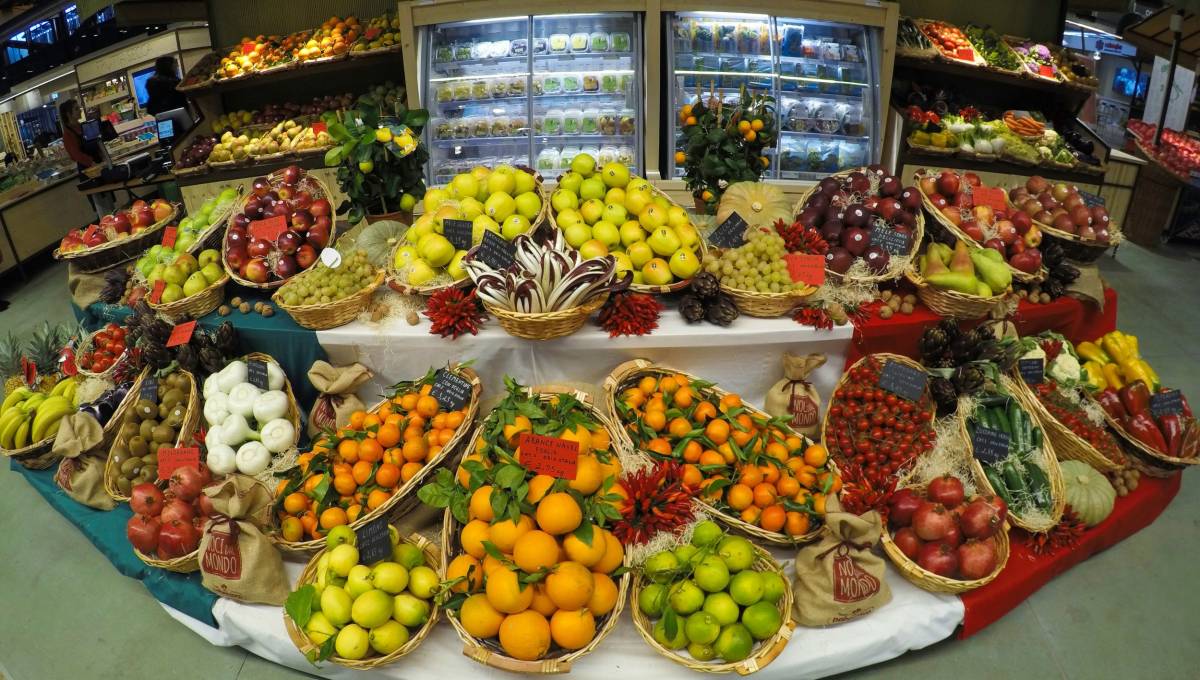
DUBAI: Saudi Arabia has introduced sweeping changes to its retail regulations, barring small grocery stores – locally known as baqalas – from selling a wide range of items including tobacco products, fresh fruits, vegetables, meat, and dates.
The move, announced by the Ministry of Municipal and Rural Affairs and Housing, took immediate effect, with a six-month grace period granted for existing shops to comply with the new directives.
Restricted items
Under the updated rules, the sale of the following is no longer allowed in grocery stores, kiosks, or mini markets:
- Tobacco products, including cigarettes, e-cigarettes, and shisha
- Dates
- Fresh fruits and vegetables
- Meat
These items may now only be sold in larger retail outlets. Supermarkets can stock meat if they obtain a separate licence, while hypermarkets are permitted to sell all the above without the need for additional licensing.
Meanwhile, items such as prepaid recharge cards and charger cables remain permissible across all store formats, including grocery shops, supermarkets, and hypermarkets.
New space requirements
The regulations also reclassify retail outlets based on their physical space. Grocery stores must now occupy a minimum of 24 square metres. Supermarkets are required to have at least 100 square metres of floor area, while hypermarkets must span no less than 500 square metres.
These spatial thresholds determine the range of products each category of store can sell. Retailers wishing to continue offering restricted items will need to expand their premises to meet these updated criteria or seek reclassification.
Impact on retail sector
The ban is expected to significantly affect thousands of small retailers across the Kingdom who have long depended on sales of produce, dates, and tobacco as part of their daily business. Many of these smaller outlets operate in densely populated neighbourhoods and have served as convenient one-stop shops for everyday essentials.
To maintain product lines, shop owners will now need to either scale up their floor space or shift their business model. For consumers, this could translate into reduced convenience when purchasing certain items, particularly in areas underserved by larger supermarkets or hypermarkets.
Enforcement and compliance
Saudi authorities have confirmed that enforcement teams will actively monitor adherence to the new regulations throughout the six-month transition window. After the grace period, non-compliant establishments risk fines and possible closure.